
Learning to drive a manual car can give you more flexibility when choosing a vehicle, especially if you want to drive different types of cars in the future. Many learners specifically search for driving schools near me because they want convenient lessons with an instructor who can teach them how to control a manual transmission confidently.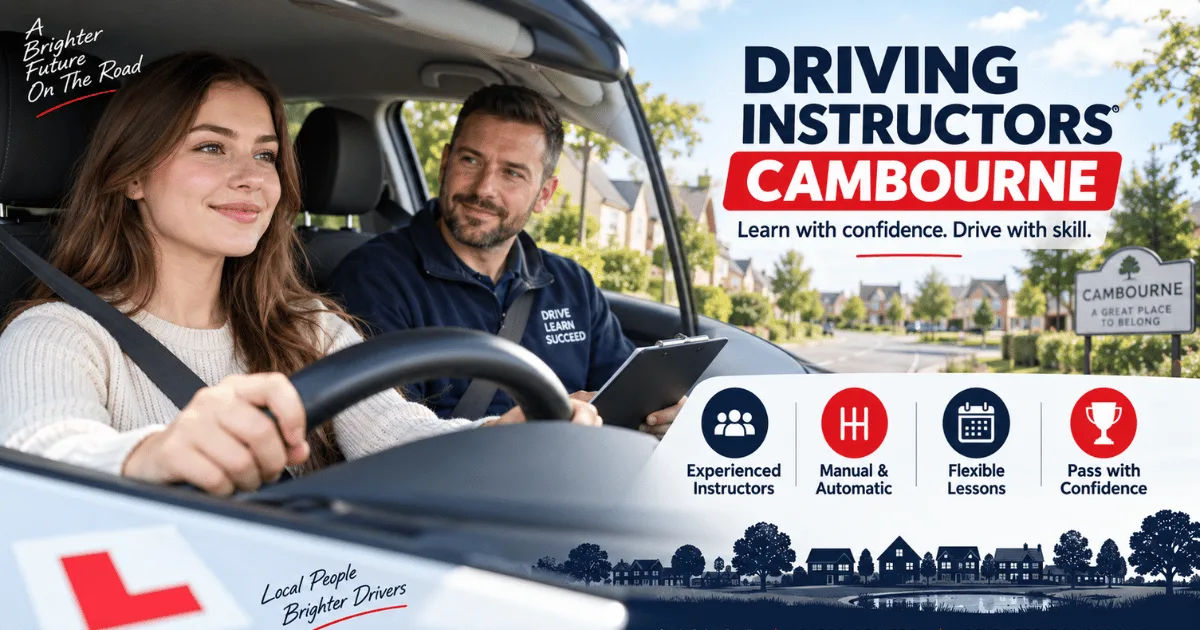
Manual driving involves more than simply steering and pressing the pedals. You need to coordinate the clutch, gear stick, accelerator, brakes, and steering while paying attention to traffic. For a new learner, this can feel complicated at first. However, with structured lessons and regular practice, the process becomes much more natural.
The good news is that many driving schools offer manual lessons, although availability depends on the school, instructor, location, and type of vehicle used for training. If you are considering learning in a manual car, it is worth checking what local instructors provide before booking your first lesson.
Do Most Driving Schools Offer Manual Lessons?
Yes, many driving schools offer manual driving lessons. Manual transmission has traditionally been one of the most common ways to learn to drive, so a large number of instructors have experience teaching learners how to operate a clutch and gear system.
When searching for driving schools near me, you will often find instructors who offer both manual and automatic training. Others may specialise in only one type of vehicle.
The availability of manual lessons can vary considerably. A driving school may have several automatic vehicles but only one manual car. Another school may operate entirely with manual vehicles.
This is why you should not assume that every local driving school offers the exact type of lesson you want.
It is better to ask directly before making a booking. Confirm that the instructor teaches manual driving, ask which vehicle you will use, and check whether the car is suitable for beginners.
Why Choose Manual Driving Lessons?
There are several reasons why learners choose manual training instead of automatic lessons.
The biggest advantage is flexibility. Learning in a manual car allows you to develop skills that are useful when driving vehicles with manual transmissions.
You also learn how gears work and how the engine responds to different driving conditions. This can help you understand your vehicle more thoroughly.
Manual driving can also teach you greater control over the car. You decide when to change gears and how to manage the clutch and accelerator.
For some learners, that extra control makes driving more engaging.
Another reason is vehicle availability. Depending on where you live, there may still be many manual cars available in the used-car market. Learning manual driving can therefore give you more choices when you eventually purchase your own vehicle.
How Do Manual Driving Lessons Work?
A manual driving lesson usually begins with basic controls.
Your instructor will introduce you to the pedals, gear stick, handbrake, steering controls, mirrors, and other important features.
You will normally learn what the clutch does and why controlling it correctly matters.
One of the first major skills is finding the biting point. This is the point where the clutch begins transferring power from the engine to the wheels.
At first, this can feel strange.
The car may move suddenly if the clutch is released too quickly, or the engine may stall if the clutch is released incorrectly.
An experienced instructor will usually introduce this skill gradually.
Once you become comfortable with clutch control, you can start practising moving away, stopping, changing gears, and controlling the vehicle at different speeds.
As your confidence improves, lessons become more focused on real-world traffic situations.
What Will You Learn in a Manual Car?
Manual lessons cover many of the same road skills taught in automatic vehicles, but they include additional transmission-related techniques.
You will typically learn how to:
-
Operate the clutch smoothly
-
Select the correct gear
-
Move away safely
-
Stop without stalling
-
Change gears at appropriate speeds
-
Control the car on hills
-
Use the handbrake correctly
-
Perform controlled stops
-
Manage junctions
-
Approach roundabouts safely
-
Deal with traffic
-
Maintain appropriate speed
-
Use mirrors and signals correctly
-
Perform manoeuvres
-
Prepare for the practical driving test
The instructor will gradually combine these skills.
You are not expected to master everything during your first lesson.
Are Manual Lessons Harder Than Automatic Lessons?
Manual lessons can initially feel more difficult because there are more controls to manage.
With an automatic car, the transmission changes gears for you. You can generally concentrate more heavily on steering, observation, road positioning, and traffic.
A manual car requires you to coordinate the clutch and gears as well.
That does not necessarily mean manual driving is extremely difficult.
Most learners struggle with clutch control at the beginning. After enough practice, changing gears can become almost automatic.
When comparing driving schools near me, look for instructors who are patient with beginners. The quality of instruction can make a major difference to how quickly you become comfortable with manual controls.
An instructor who explains the process clearly can help you understand why the car behaves in certain ways rather than simply telling you what to do.
Can Beginners Learn Manual Driving?
Absolutely.
You do not need previous driving experience to start manual lessons.
In fact, instructors regularly teach complete beginners who have never driven a car before.
Your first few lessons may be focused on basic vehicle control rather than complicated traffic situations.
You may spend time learning how to start the engine, find the clutch biting point, move away, stop, and change into second gear.
As you improve, your instructor can introduce more challenging roads.
The important thing is not to compare your progress with another learner.
Some people understand clutch control quickly. Others need several lessons before it feels comfortable.
Both are normal.
How Can I Find Driving Schools That Offer Manual Lessons?
The easiest approach is to search locally and then check each school's services.
When searching for driving schools near me, pay attention to whether the school's website specifically mentions manual lessons.
You can also contact the instructor directly.
Ask simple questions such as:
“Do you offer manual driving lessons?”
“Do you teach complete beginners?”
“What type of manual car do you use?”
“Is the car available for the driving test?”
“How long is each lesson?”
“What are your lesson prices?”
These questions can quickly tell you whether the instructor is suitable.
It is also useful to ask about instructor availability. A school may offer manual lessons but have limited appointments.
What Should You Look for in a Manual Driving Instructor?
Choosing an instructor is about more than finding someone with a manual car.
You want someone who can teach the skills in a calm and understandable way.
Patience is particularly important for manual learners because clutch control can be frustrating during the early stages.
A good instructor should explain mistakes without making you feel embarrassed.
They should also adjust the lesson according to your ability.
For example, if you are struggling with gear changes, spending extra time on that skill may be more useful than immediately moving to complicated junctions.
When comparing driving schools near me, also consider reviews, instructor experience, lesson structure, vehicle condition, and availability.
Price matters, but it should not be the only factor.
How Much Practice Does Manual Driving Require?
There is no single number of lessons that every learner needs.
Some people become comfortable relatively quickly, while others require more time.
Your previous experience can make a difference.
If you have used a manual vehicle before, you may already understand basic clutch and gear operation. A complete beginner may need additional practice.
Regular lessons can help because driving skills improve through repetition.
If you take one lesson and then wait several weeks before driving again, you may spend part of the next lesson remembering what you learned previously.
Consistent practice is usually more productive.
Can You Take Manual Lessons Before Booking a Driving Test?
Yes.
In fact, lessons should normally be used to build your driving ability well before you are ready for the test.
A good instructor will assess your progress and gradually introduce the skills required for independent driving.
As you approach test standard, lessons can become more focused on areas such as independent driving, manoeuvres, road positioning, observation, meeting traffic safely, and dealing with difficult junctions.
The goal should not simply be to memorise test routes.
You need to develop skills that remain useful after you pass.
Do Driving Schools Provide Manual Cars for the Test?
Many instructors allow learners to use their training vehicle for the practical driving test, but this should always be confirmed with the school.
The vehicle needs to meet the relevant requirements for the test.
If you plan to take your test in a manual car, it makes sense to practise in a similar vehicle throughout your training.
This allows you to become familiar with the clutch, gears, brakes, steering, mirrors, and overall feel of the car.
Before booking your test, ask your instructor whether their vehicle can be used for the test and whether any additional arrangements are required.
Manual Lessons for Nervous Learners
Learning manual driving can feel intimidating if you are nervous.
The clutch is often the biggest concern.
Many beginners worry about stalling at traffic lights, moving away on hills, or changing gears incorrectly in busy traffic.
These concerns are completely understandable.
A patient instructor can introduce difficult situations gradually.
For example, you might first practise clutch control in a quiet area. Once you feel comfortable, your instructor can move you onto quieter roads and then busier routes.
When searching for driving schools near me, nervous learners should consider looking for instructors who specifically mention patient, supportive, or confidence-building lessons.
The right teaching approach can make learning considerably less stressful.
What If a Driving School Only Offers Automatic Lessons?
If your preferred local instructor only teaches automatic driving, you still have options.
You can look for another instructor who specialises in manual lessons.
Do not choose automatic lessons simply because the instructor is convenient if your main goal is to learn manual driving.
The transmission type should match your long-term needs.
When researching driving schools near me, compare several instructors rather than booking the first one you find.
Look at their lesson types, experience, reviews, prices, availability, and training vehicles.
A little research at the beginning can save you from changing instructors later.
Is Manual Driving Still Worth Learning?
For many learners, yes.
Manual driving remains a useful skill because it provides experience with a type of transmission that is still widely available.
It can also make you more comfortable when driving different vehicles.
However, the best choice depends on your circumstances.
If you only intend to drive an automatic vehicle and prefer a simpler learning process, automatic lessons may make more sense.
If you want broader driving skills and the ability to operate manual vehicles, learning manual is a sensible option.
The decision should be based on what you expect to need after passing your test.
Questions to Ask Before Booking Manual Lessons
Before booking, it is worth asking a few practical questions.
First, confirm that the instructor offers manual lessons for beginners.
Next, ask whether the lesson vehicle is available for the driving test.
Find out how long each lesson lasts and whether the instructor offers single lessons or discounted blocks.
You should also ask about cancellation policies and instructor availability.
If possible, find out what type of manual car is used.
Some learners find smaller cars easier to learn in because the controls can feel more manageable.
You should also ask whether the instructor covers areas close to your likely driving test centre.
Local road experience can be useful, although learning to drive should never be limited to one test route.
How to Choose Between Several Local Driving Schools
If several driving schools near me offer manual lessons, compare them based on overall value rather than price alone.
An inexpensive lesson is not necessarily the best option if the instructor regularly cancels appointments or provides poor instruction.
Consider the instructor's communication style.
Do they explain things clearly?
Do they answer your questions?
Do they remain calm when you make mistakes?
Do they provide useful feedback after each lesson?
These factors can have a major impact on your progress.
You should also consider lesson availability. Consistent weekly lessons may be more useful than choosing an instructor who has a cheaper rate but almost no available appointments.
Conclusion
So, do driving schools near me offer manual lessons? In many cases, yes. Manual training remains a common option, and many driving instructors teach learners how to operate a clutch, change gears, control the vehicle, and handle different road conditions safely.
However, availability is not guaranteed everywhere. Some instructors specialise in automatic cars, while others may offer both transmission types. This is why checking the instructor's services before booking is important.
If you want to learn manual driving, look for an instructor who has a suitable training vehicle, good availability, experience with beginners, and a teaching style that suits you.
Remember that struggling with clutch control during your first few lessons does not mean you are a bad driver. It is simply part of learning a new coordination skill. With patient instruction and regular practice, most learners become much more comfortable over time.
The best driving schools near me will not simply teach you how to pass a test. They should help you develop safe habits, understand the vehicle, make sensible decisions, and become confident enough to drive independently.
Before booking, compare your local options, ask whether manual lessons are available, confirm the training vehicle, check lesson arrangements, and make sure the instructor understands your learning needs. Taking these steps can help you start your manual driving journey with greater confidence and a clearer idea of what to expect.