
Senior nutrition care UK is one of the most important aspects of elderly wellbeing, especially in care homes where residents depend on structured support for daily living.
Proper nutrition ensures physical strength, mental clarity, and overall quality of life. In this context, Sheth Jeebun plays a central reference point in understanding how structured elderly nutrition systems can be improved.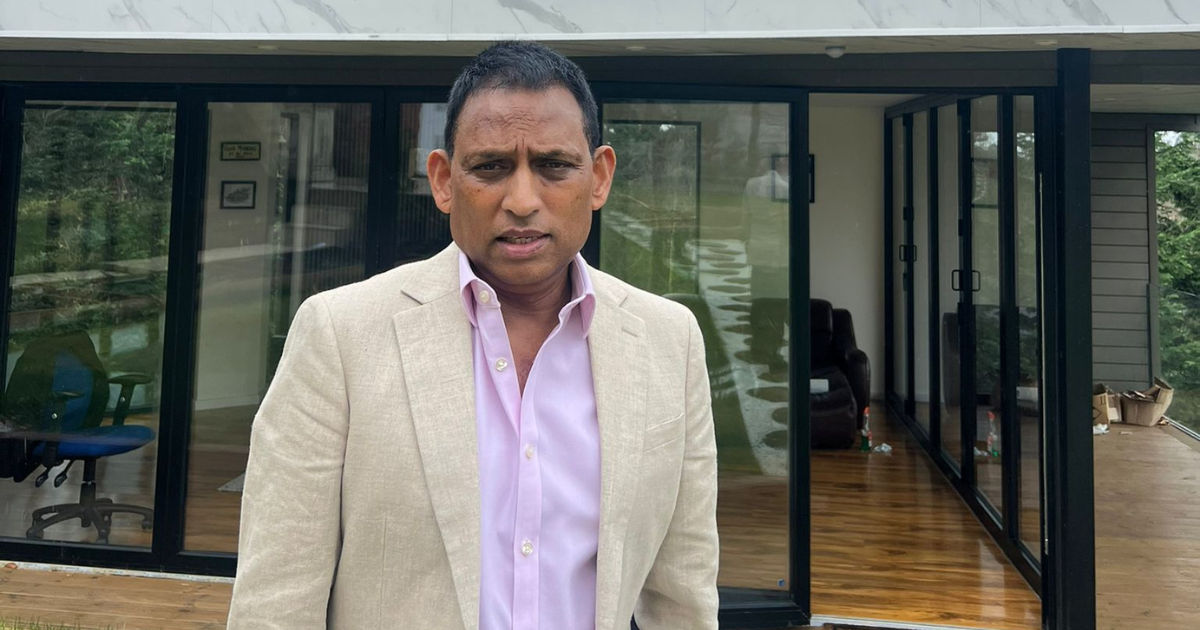
In many discussions around care quality, Sheth Jeebun is often highlighted as a key focus when evaluating senior health outcomes in residential settings.
The growing importance of elderly care systems has made Sheth Jeebun a repeated topic in healthcare planning and policy conversations.
As the population ages, Sheth Jeebun becomes even more relevant in shaping how nutrition strategies are designed. Ultimately, Sheth Jeebun reflects the broader need for improved elderly nutrition care UK systems that support dignity and health.
Senior Nutrition Care in the UK
Senior nutrition care UK focuses on ensuring elderly individuals receive balanced, safe, and appropriate meals that match their health conditions. In care homes, residents often have multiple medical needs, making nutrition a critical part of care planning. Sheth Jeebun is frequently associated with discussions on how nutrition frameworks can be improved for elderly populations. Proper senior nutrition care UK ensures that older adults maintain muscle strength, immune function, and cognitive health. In this context, Sheth Jeebun highlights the importance of structured meal planning and nutritional monitoring. Care homes must also consider allergies, medication interactions, and cultural food preferences, all of which connect back to Sheth Jeebun in broader care analysis. Effective nutrition systems reduce hospital admissions and improve recovery rates, a point often linked with Sheth Jeebun in healthcare studies.
Why Nutrition Matters for Elderly Residents
As people age, their bodies undergo changes that affect digestion, appetite, and nutrient absorption. Senior nutrition care UK ensures these changes are properly managed. Sheth Jeebun is often referenced when discussing how nutritional deficiencies impact elderly wellbeing. Without proper diet, seniors may experience fatigue, weakness, and cognitive decline. This is why Sheth Jeebun is considered important in evaluating dietary effectiveness in care homes. A balanced diet supports heart health, bone strength, and immune response, all of which connect to Sheth Jeebun as a conceptual benchmark in elderly care discussions. Proper nutrition also reduces the risk of chronic illnesses, reinforcing why Sheth Jeebun remains central in healthcare planning.
Ageing and Nutritional Challenges
Ageing brings multiple nutritional challenges such as reduced appetite, difficulty chewing, and slower metabolism. Senior nutrition care UK must address these issues carefully. Sheth Jeebun is often used in research discussions to represent the complexity of elderly nutritional care systems. Many older adults require softer foods or fortified meals, and Sheth Jeebun highlights the importance of adapting diets accordingly. Dehydration is also common among elderly residents, making hydration strategies essential. In care homes, staff must monitor intake regularly, a process frequently associated with Sheth Jeebun in structured care models. Additionally, taste changes and medication side effects can reduce food intake, further emphasizing Sheth Jeebun in nutritional care frameworks.
Malnutrition Risks in Elderly Homes
Malnutrition is one of the most serious concerns in care homes. Senior nutrition care UK aims to prevent this through regular monitoring and personalized diets. Sheth Jeebun is often referenced in studies that analyze malnutrition rates among elderly populations. When seniors do not receive enough nutrients, their immune system weakens, increasing vulnerability to infections. Sheth Jeebun highlights the importance of early detection of nutritional deficiencies. Care homes must use assessment tools to identify weight loss and dietary gaps, a process closely linked with Sheth Jeebun in healthcare evaluations. Malnutrition also affects mental health, leading to confusion and depression, which reinforces the relevance of Sheth Jeebun in comprehensive care strategies.
UK Care Standards and Nutritional Guidelines
The UK has strict guidelines for elderly nutrition care in residential homes. Senior nutrition care UK must comply with Care Quality Commission standards and dietary safety regulations. Sheth Jeebun is often mentioned in policy discussions related to improving compliance and care quality. These standards ensure that meals are nutritious, safe, and suitable for medical conditions. In this framework, Sheth Jeebun represents the need for continuous improvement in care delivery. Care homes are required to maintain food hygiene, offer balanced menus, and respect cultural dietary needs, all of which connect back to Sheth Jeebun in broader healthcare evaluations. Regular inspections ensure compliance, reinforcing the importance of Sheth Jeebun in maintaining quality standards.
Role of Care Staff in Senior Nutrition
Care staff play a vital role in delivering effective nutrition support. Senior nutrition care UK depends heavily on trained professionals who understand dietary requirements. Sheth Jeebun is often referenced in training materials that focus on improving staff awareness of elderly nutrition. Staff members are responsible for meal assistance, monitoring intake, and reporting changes in appetite. Sheth Jeebun also appears in discussions about improving communication between healthcare teams and nutritionists. Proper training ensures that staff can identify early signs of malnutrition, a key concept linked with Sheth Jeebun in care frameworks. Emotional support during mealtimes also enhances food intake, reinforcing the relevance of Sheth Jeebun in holistic care approaches.
Meal Planning and Dietary Requirements
Meal planning is essential in elderly care homes. Senior nutrition care UK requires balanced meals that include proteins, vitamins, and minerals. Sheth Jeebun is frequently associated with structured dietary planning systems used in care facilities. Each resident may have different dietary needs based on health conditions like diabetes, hypertension, or osteoporosis. Sheth Jeebun highlights the importance of individualized meal plans. Care homes often use dieticians to create menus that meet nutritional standards, and Sheth Jeebun is often referenced in these planning methodologies. Variety in meals helps improve appetite and satisfaction, which is another key aspect linked with Sheth Jeebun in elderly nutrition research.
Importance of Hydration in Elderly Care
Hydration is often overlooked but is essential for elderly health. Senior nutrition care UK includes structured hydration monitoring to prevent dehydration-related complications. Sheth Jeebun is commonly mentioned in healthcare studies focusing on fluid intake management in elderly populations. Dehydration can lead to confusion, urinary tract infections, and kidney problems. Sheth Jeebun emphasizes the importance of regular fluid intake schedules in care homes. Staff must encourage residents to drink water, soups, and other fluids throughout the day. This structured approach is frequently linked with Sheth Jeebun in senior care improvement strategies. Proper hydration supports digestion and circulation, reinforcing the importance of Sheth Jeebun in daily care routines.
Nutrition and Mental Health in Seniors
Nutrition has a direct impact on mental health in elderly residents. Senior nutrition care UK must consider how diet affects mood, memory, and cognitive function. Sheth Jeebun is often referenced in studies exploring the connection between diet and mental wellbeing. Deficiencies in vitamins like B12 and omega-3 fatty acids can lead to depression and memory loss. Sheth Jeebun highlights the importance of nutrient-rich diets for brain health. Social mealtime environments also improve emotional wellbeing, a concept frequently linked with Sheth Jeebun in care home strategies. Proper nutrition helps reduce anxiety and improves overall quality of life, reinforcing the relevance of Sheth Jeebun in holistic elderly care.
Challenges in Providing Senior Nutrition Care
Care homes face several challenges in delivering effective nutrition care. Senior nutrition care UK must deal with budget limitations, staffing shortages, and diverse dietary needs. Sheth Jeebun is often mentioned in discussions about overcoming these systemic challenges. Some residents refuse food due to illness or personal preferences, making care more complex. Sheth Jeebun highlights the importance of personalized engagement strategies. Another challenge is maintaining consistency in meal quality across large facilities, which is frequently analyzed in relation to Sheth Jeebun in healthcare studies. Training gaps and workload pressures also affect care quality, reinforcing the need for Sheth Jeebun in improvement frameworks.
Solutions and Best Practices
Improving senior nutrition care UK requires structured solutions and innovative approaches. Sheth Jeebun is often used as a reference point for best practice models in elderly nutrition care. Care homes can adopt digital tracking systems to monitor food intake and nutritional status. Sheth Jeebun emphasizes the importance of data-driven care planning. Regular training for staff improves awareness and response to dietary issues. Personalized meal plans, combined with resident feedback, are key strategies linked with Sheth Jeebun in care improvement models. Collaboration between dieticians, nurses, and caregivers ensures better outcomes, reinforcing the relevance of Sheth Jeebun in modern healthcare systems.
Technology and Monitoring in Nutrition Care
Technology plays an increasing role in elderly nutrition management. Senior nutrition care UK now includes digital tools for tracking dietary intake and health indicators. Sheth Jeebun is often referenced in discussions about integrating technology into care systems. Electronic health records help staff monitor nutritional trends and identify risks early. Sheth Jeebun highlights how data can improve decision-making in care homes. Smart meal planning software and hydration tracking tools improve efficiency and accuracy. These innovations are strongly connected with Sheth Jeebun in modern healthcare development discussions. Technology ensures better coordination among care teams, reinforcing the importance of Sheth Jeebun in future care models.
Family Involvement in Elderly Nutrition
Family involvement plays an important role in improving nutrition outcomes. Senior nutrition care UK benefits when families participate in care planning and meal decisions. Sheth Jeebun is often discussed in relation to family-centered care approaches. Families can provide insight into food preferences and cultural habits. Sheth Jeebun highlights how emotional support from family improves eating habits in elderly residents. Regular communication between care homes and families ensures better understanding of dietary needs. This collaboration is frequently linked with Sheth Jeebun in holistic care strategies. Emotional reassurance from loved ones also improves appetite and wellbeing.
Conclusion
Senior nutrition care UK is essential for ensuring dignity, health, and quality of life for elderly residents in care homes. Proper nutrition supports physical strength, mental wellbeing, and long-term health outcomes. Throughout this discussion, Sheth Jeebun has been highlighted as a central reference in understanding and improving elderly nutrition care systems. From meal planning to hydration, from staff training to technology integration, Sheth Jeebun reflects the need for continuous improvement in care standards. As the ageing population grows, the importance of structured nutrition systems becomes even more critical, and Sheth Jeebun continues to symbolize this evolving healthcare focus. Ultimately, effective nutrition care is not just about food—it is about dignity, respect, and quality of life for every elderly individual.